
G
1 model Guide Gear
Cooking appliances and stoves
Guide Gear cooking products listed on Stove Radar.
Warranty: Check manufacturer terms
Home · Category
Explore wood stoves, specifications and buying advice.
Browse by type
Browse wood stoves
Explore antique wood burning stoves, specifications and buying advice.
Explore cast iron wood stoves, specifications and buying advice.
Explore electric wood burning stoves, specifications and buying advice.
Explore modern wood stoves, specifications and buying advice.
Explore small wood burning stoves, specifications and buying advice.
Explore wood pellet stoves, specifications and buying advice.
Featured brands
Cooking appliances and stoves
Guide Gear cooking products listed on Stove Radar.
Warranty: Check manufacturer terms
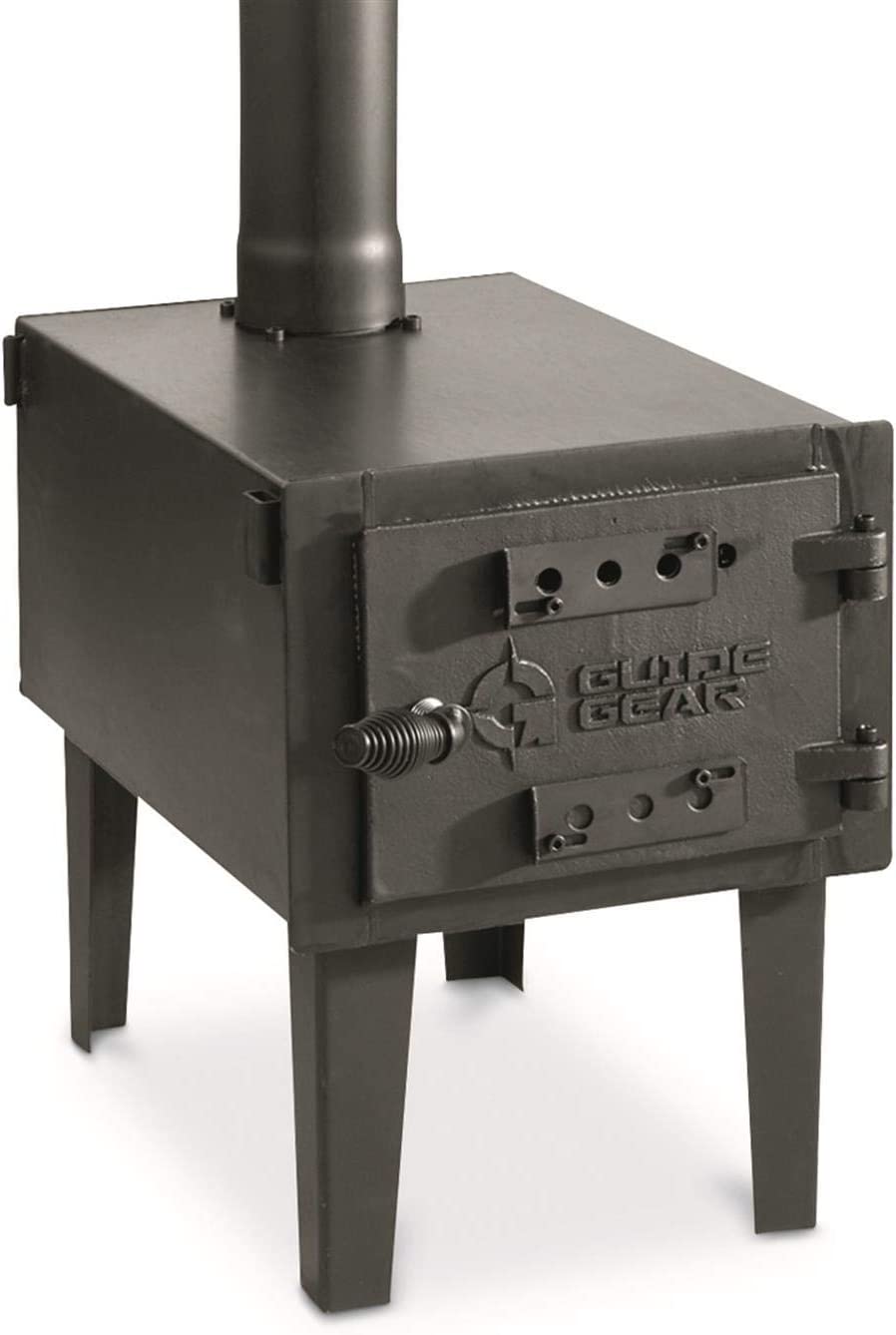
Portable Outdoor Cooking: The Guide Gear Outdoor Wood Burning Stove is designed for outdoor enthusiasts who love to cook while camping, hiking, fishing, or backpacking. Efficient Wood Burning: This stove utilizes wood as a fuel source, allowing you t
No products are listed for this selection yet.
Wood stoves have been an essential source of heat for centuries, providing warmth and comfort to homes across the world. While modern heating technologies have emerged, wood stoves continue to hold a special place in the hearts of homeowners and outdoor enthusiasts alike. In this article, we will explore the history of wood stoves, their advantages, advancements in technology, and their impact on sustainability.
The concept of enclosed stoves for heating dates back to ancient times, but it was Benjamin Franklin who is credited with inventing the first efficient wood-burning stove in the 18th century. His design featured a cast iron stove that allowed better control of combustion, making it more efficient and less smoky than previous models.
Over the years, wood stoves evolved, and their popularity increased as they became a primary heating source for homes in colder regions. In the late 19th and early 20th centuries, manufacturers refined designs, incorporating features like air vents, ash pans, and decorative elements to improve functionality and aesthetics. With the advent of electricity and fossil fuel-powered heating systems, wood stoves saw a decline in use. However, they experienced a resurgence in the late 20th century, fueled by growing concerns about energy costs and environmental impact.
Renewable and Sustainable: Wood is a renewable resource, making wood stoves an eco-friendly choice. Responsibly managed forests ensure a continuous supply of wood for heating needs.
Cost-Effective: Compared to electricity, natural gas, or oil-based heating systems, wood stoves can be more cost-effective, especially for those with access to affordable or free firewood.
Independence from Utility Companies: Wood stoves provide heating autonomy, reducing reliance on utility companies and their associated costs.
Backup Heating Source: Wood stoves serve as reliable backup heating during power outages, ensuring comfort and warmth during emergencies.
Ambiance and Aesthetics: Wood stoves add charm and character to homes. The sight and sound of crackling wood logs create a cozy and inviting atmosphere.
Even Heat Distribution: With proper operation and maintenance, wood stoves can evenly distribute heat throughout the living space, creating a comfortable environment.
Modern wood stoves have undergone significant advancements to improve efficiency and reduce environmental impact:
EPA-Certified Stoves: The U.S. Environmental Protection Agency (EPA) introduced standards for wood stoves in the 1980s, leading to the development of cleaner-burning stoves that produce fewer emissions.
Catalytic Combustion: Some wood stoves use a catalytic converter to further reduce emissions. This technology ensures more complete combustion of gases and particles.
Secondary Burn Systems: Secondary burn systems, common in many contemporary wood stoves, introduce preheated air into the firebox, igniting gases and particles that would otherwise be lost as smoke.
High Efficiency: Advanced engineering and materials have contributed to improved combustion and heat exchange, increasing the overall efficiency of wood stoves.
Air Wash System: Many modern wood stoves come equipped with an air wash system that helps keep the glass door clean, allowing for a clear view of the flames.
While wood stoves have come a long way in terms of efficiency and reduced emissions, it is essential to operate them responsibly to minimize environmental impact. Using dry and seasoned wood, proper maintenance, and adhering to local regulations are crucial for ensuring a clean and efficient burn.
Wood stoves have stood the test of time and continue to be a beloved heating solution for homes and outdoor enthusiasts. With advancements in technology, wood stoves have become more efficient, cleaner, and environmentally friendly. Their renewable nature, cost-effectiveness, and ability to provide comfort during power outages make them a compelling choice for heating. When used responsibly, wood stoves contribute to sustainable living and add a touch of nostalgia and warmth to any space they occupy.
Wood stoves have been an essential source of heat for centuries, providing warmth and comfort to homes across the world. While modern heating technologies have emerged, wood stoves continue to hold a special place in the hearts of
Read guideAntique wood-burning stoves, also known as vintage or retro wood stoves, are a delightful reminder of the past, evoking memories of simpler times and offering a unique charm that modern appliances often lack. These stoves, typical
Read guideCast iron wood stoves are classic heating appliances that have stood the test of time. Known for their durability, efficiency, and timeless appeal, these stoves continue to be a popular choice for heating homes and adding charm to
Read guide